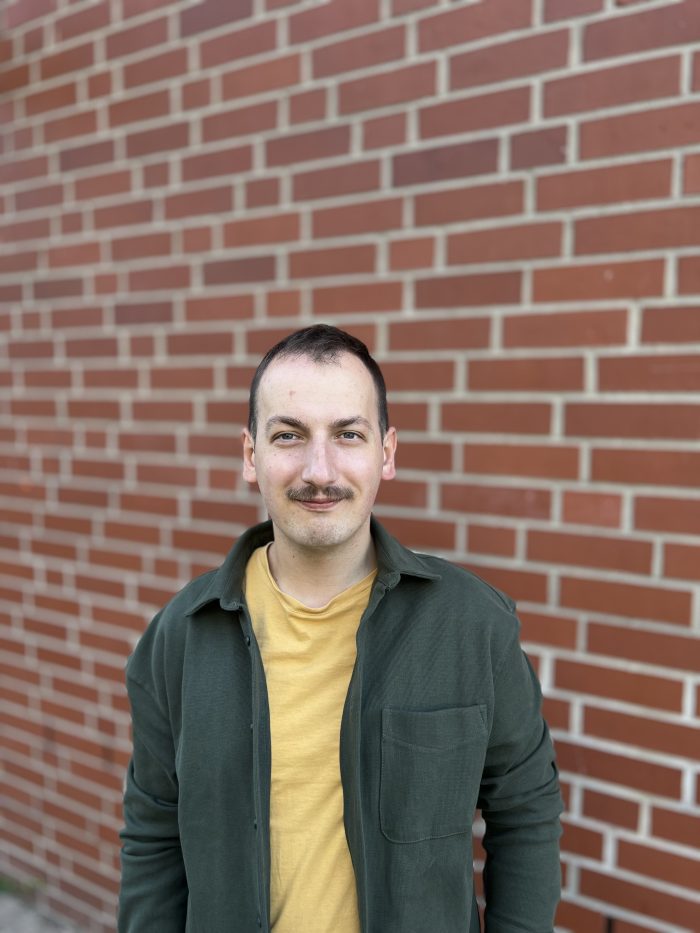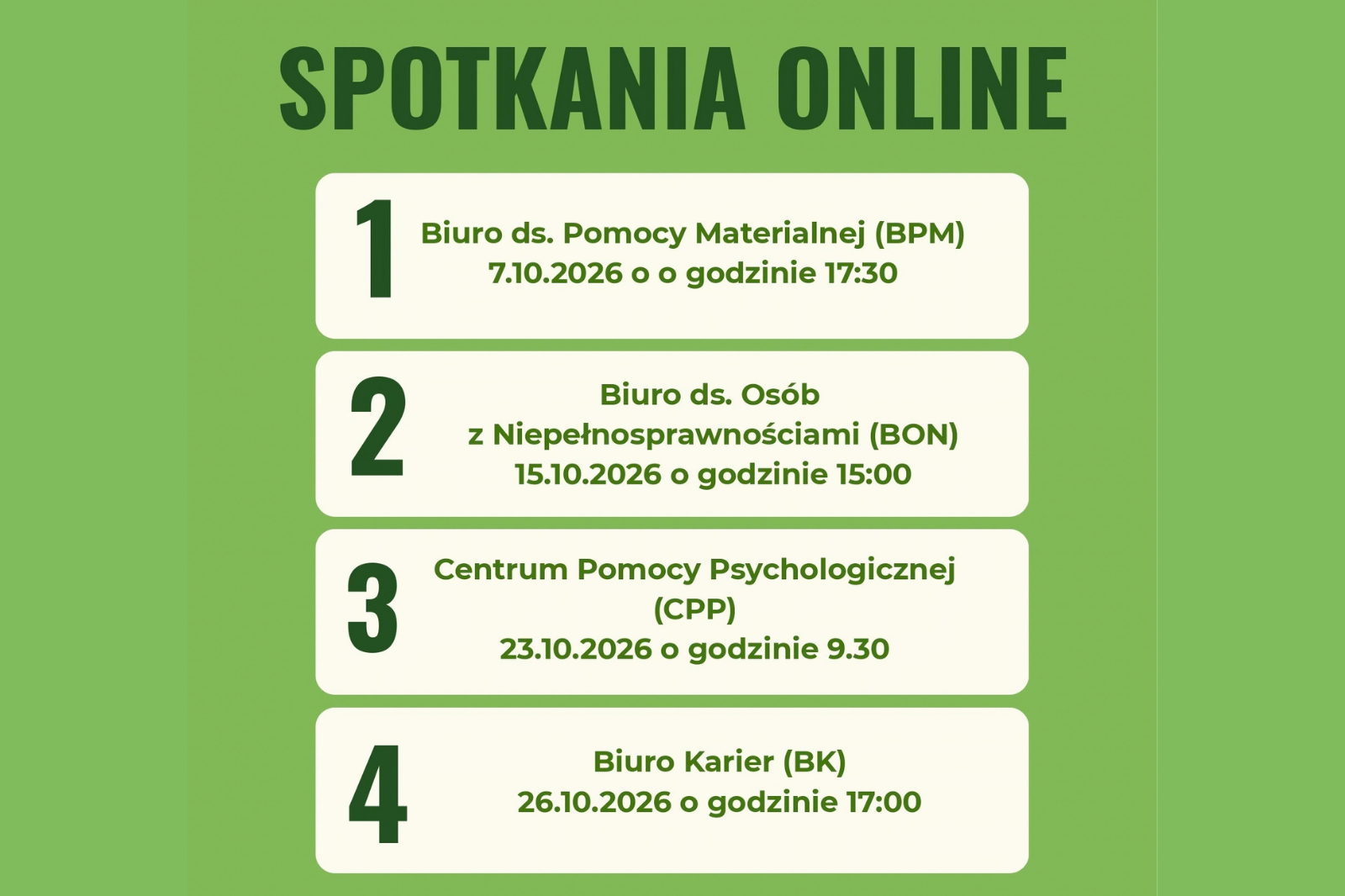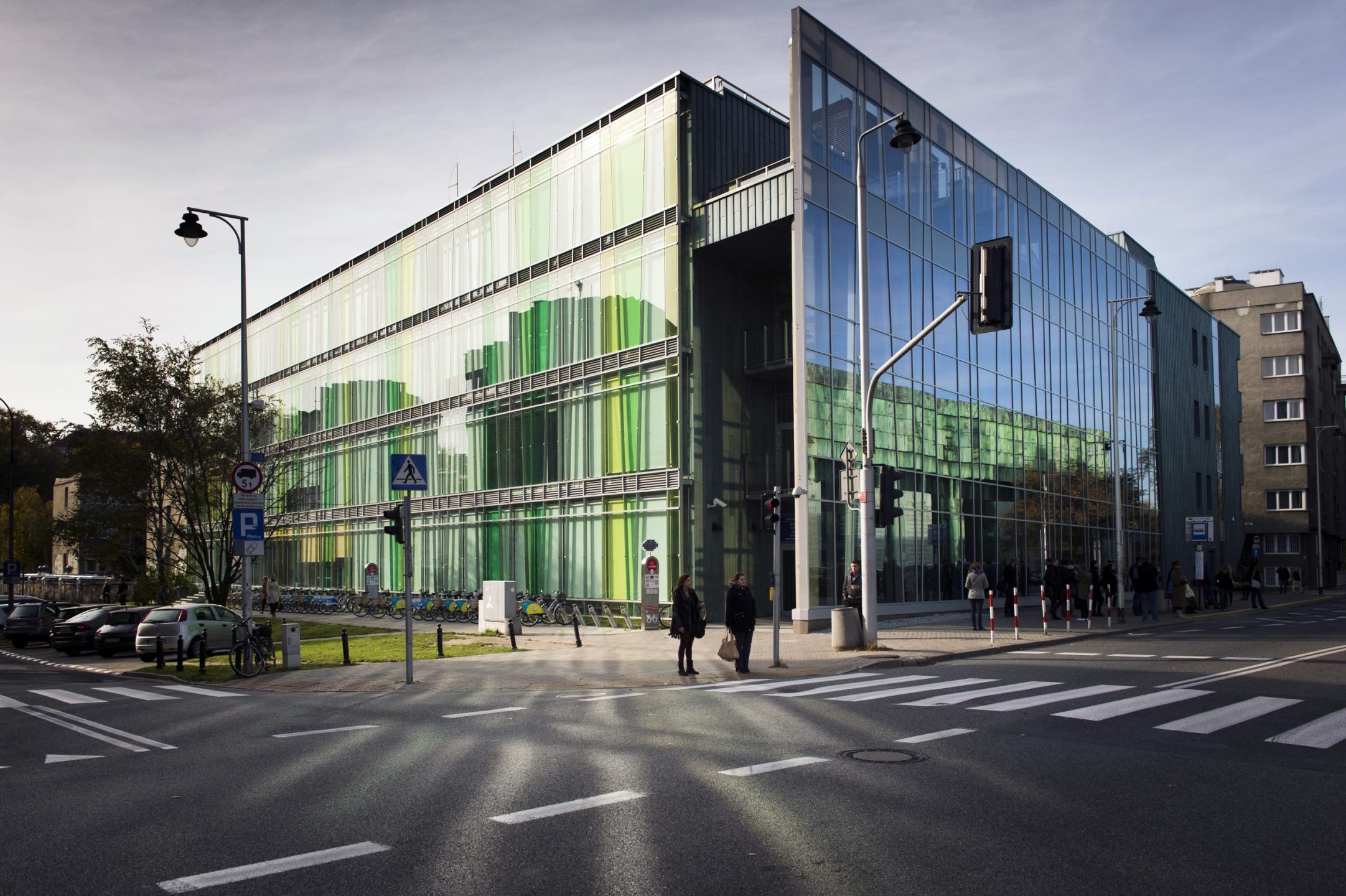

The Gender/Sexuality Research Group is pleased to invite you to a guest lecture by Dr. Mathias Foit from the University of Padua.
What?
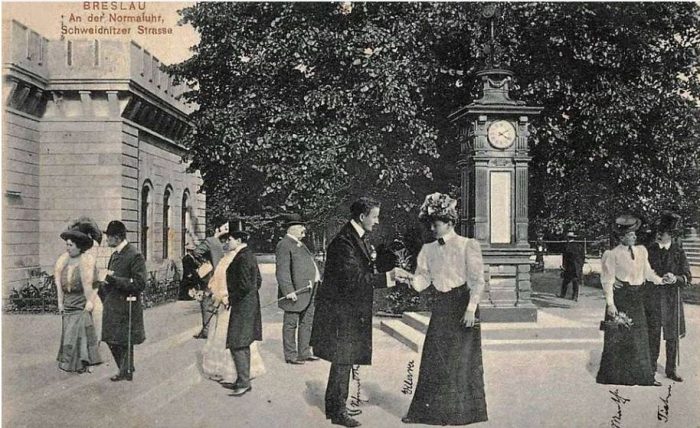
Queer studies generally and its subdiscipline of queer history specifically tend to favour a specific form of urbanism, one that we might call metropolitan. In queer historiographies, but also literary and cultural studies, researchers usually focus on the large, glamorous and cosmopolitan metropolis, whether it is Berlin, New York or London. Moreover, they reproduce, more or less inadvertently, certain stereotypes and preconceptions that juxtapose the urban and the rural to the latter’s disadvantage, imagining it as a mode or space of backwardness, conservatism and intolerance, among others. However, by looking at a previously unexplored world of queer social, political and cultural life in Germany’s former easternmost territories – regions such as Silesia, Hinder Pomerania or East Prussia – during the Wilhelmine and Weimar periods of German history as well as employing the concept of metronormativity (J. Halberstam, S. Herring), I question the hegemony of the metropolitan city as a site of authoritative and/or exclusive knowledge about queer lives historically. I argue that moving away from the metropolis towards smaller towns, cities or rural areas on the one hand as well as from the cisgender male, homosexual, middle-class and white historical subject on the other helps the queer historian highlight non-canonical queer narratives and capture the true diversity
of queer experience.
Who?
Mathias Foit received his PhD from the Free University of Berlin and is currently working as a postdoctoral fellow at the University of Padua. His book “Queer Urbanisms in Wilhelmine and Weimar Germany: Of Towns and Villages” (2023) charts a previously undiscovered world of queer social, political and cultural life in the easternmost provinces of the German Reich. He also graduated in English studies from the University of Wrocław and is engaged in cultural projects relating to local and regional queer histories in Central-East Europe.